The Culinary Heritage of Tuscany's Hidden Estates
Exploring ancient soil, family-owned vineyards, and centuries of culinary discipline in the rolling hills of Chianti.
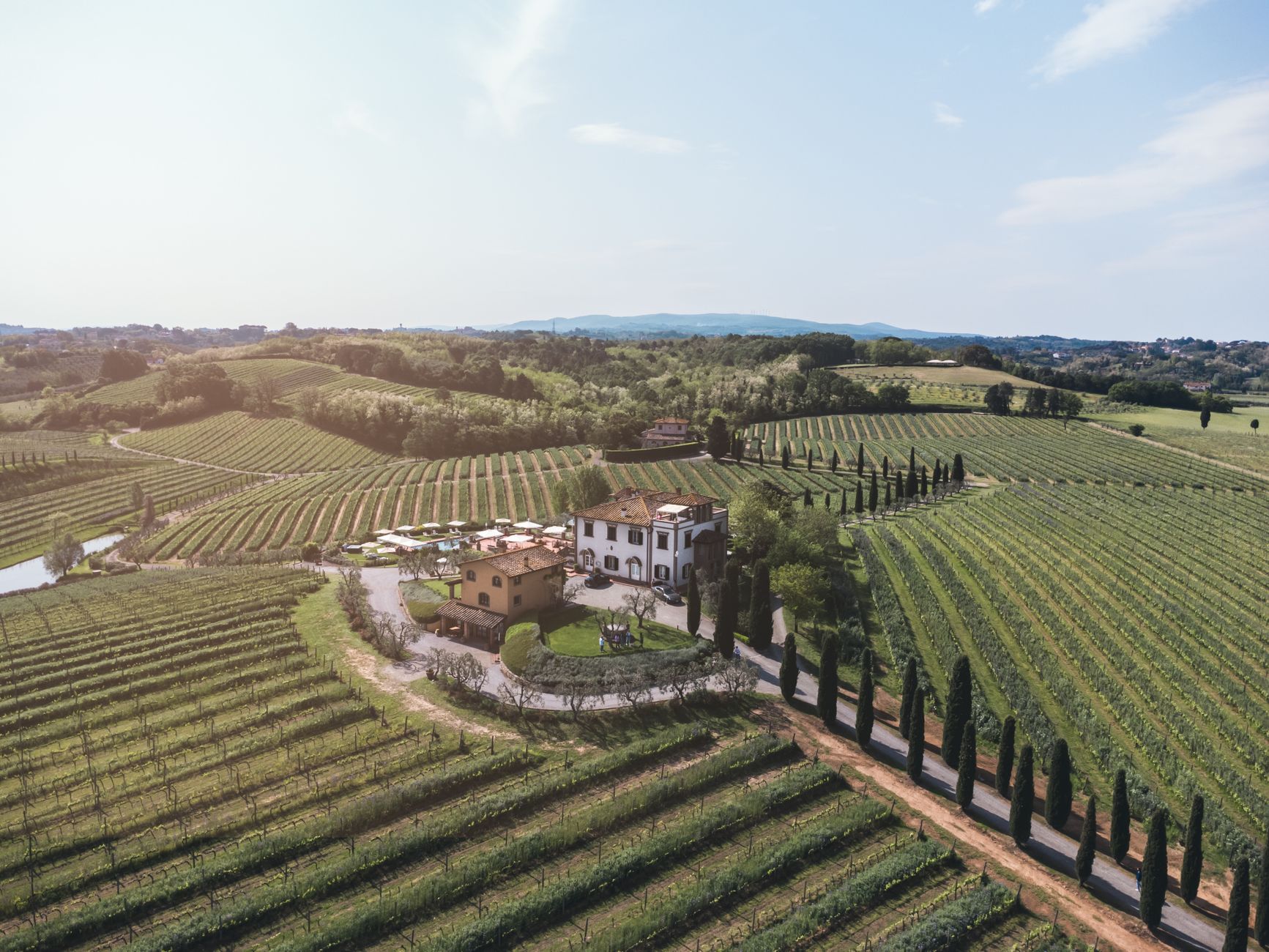
Table of Contents
"To understand Tuscan gastronomy is to understand time. Nothing is rushed; every flavor is an heirloom passed across generations."
Deep within the cypress-lined corridors of the Chianti Classico region lies a network of historic agricultural estates that remain untouched by commercial tourism. Here, culinary craft is not merely a business—it is a sacred stewardship of the land.
During our three-week residence at a 16th-century villa near San Miniato, we accompanied master truffle hunters and their trained Lagotto Romagnolo dogs through damp oak forests at dawn. The white truffle of San Miniato remains one of the world's most sought-after subterranean treasures, relying entirely on pristine soil biology.
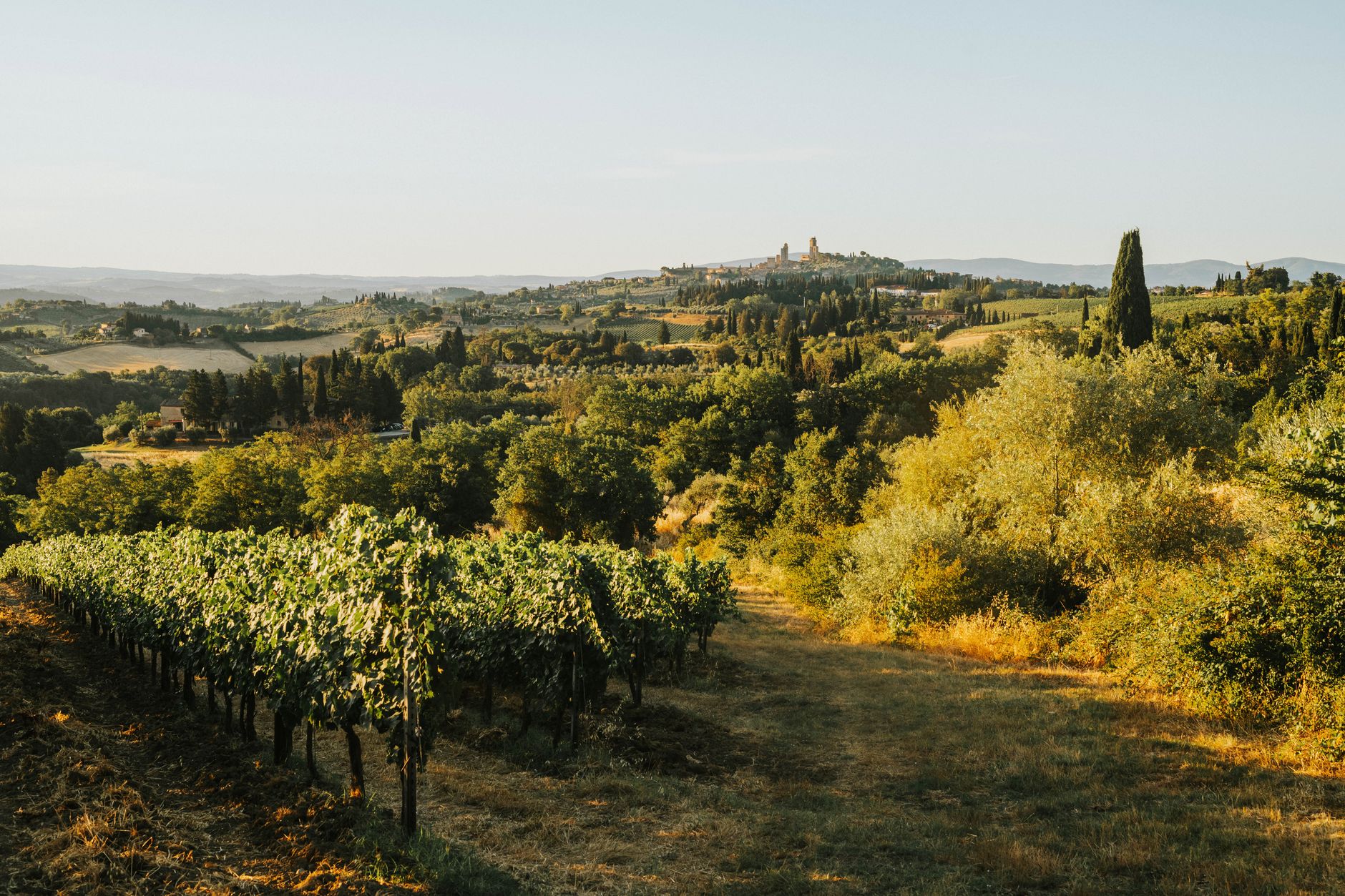
Equally rigorous is the shift toward biodynamic viticulture among boutique wine producers. By aligning harvesting cycles with lunar phases and eschewing synthetic intervention, estate vintners produce Sangiovese grapes of extraordinary terroir clarity.
Curious to Experience Tuscan Heritage Firsthand?
Inquire about private dossier access and editorial recommendations for independent travelers.
Contact Editorial Desk